



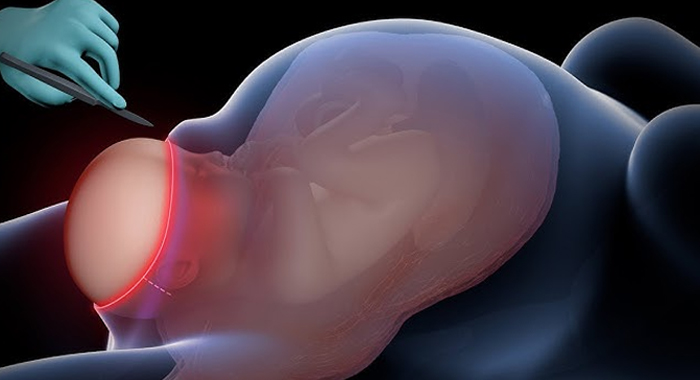
A C-Section, or Cesarean Section, is a surgical procedure used to deliver a baby through incisions made in the mother’s abdomen and uterus. It is typically performed when a vaginal delivery would put the mother or baby at risk. While many births are natural, a C-section can be a lifesaving procedure in complicated pregnancies.
There are several medical reasons why a C-section may be necessary. These include prolonged labor, fetal distress, abnormal positioning of the baby (such as breech), multiple pregnancies (twins, triplets), placenta previa, or previous C-sections. In some cases, elective C-sections are also performed for personal or medical convenience, though doctors generally recommend them only when necessary.
The procedure usually takes between 45 minutes to an hour and is performed under regional anesthesia, such as spinal or epidural, which allows the mother to remain awake while feeling no pain. In emergency cases, general anesthesia may be administered. After making the abdominal and uterine incisions, the surgeon carefully delivers the baby and then closes the incisions with sutures.
Recovery from a C-section generally takes longer than vaginal delivery. Mothers may experience pain at the incision site, limited mobility, and a need for extra rest. Hospital stays are typically 3 to 5 days, and full recovery can take several weeks. Postoperative care includes monitoring for infections, managing pain, and gradually resuming physical activity.
Though C-sections are common and generally safe, they do carry certain risks, such as infection, blood loss, and complications in future pregnancies. However, with modern medical techniques and proper prenatal care, the procedure is highly successful, ensuring the safety of both mother and child.
Overall, a C-section is an important medical intervention that provides a safe alternative to vaginal delivery when complications arise, allowing mothers to deliver healthy babies even in challenging situations.