



PCOS
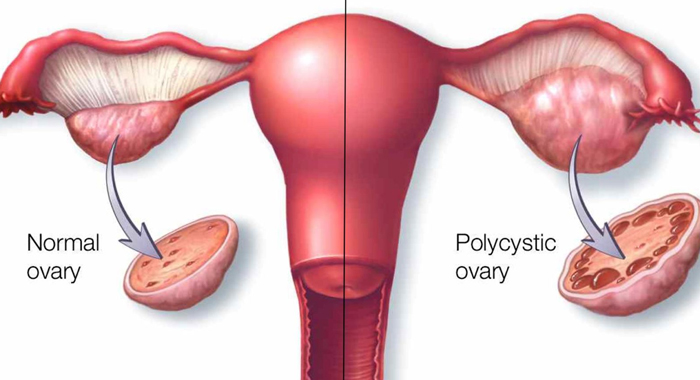
Polycystic Ovary Syndrome (PCOS) is a common hormonal disorder that affects women of reproductive age. It is characterized by a combination of symptoms, including irregular menstrual cycles, excess androgen levels (male hormones), and polycystic ovaries, which are enlarged ovaries containing multiple small cysts. The exact cause of PCOS is not fully understood, but it is believed to involve a combination of genetic, hormonal, and environmental factors.
Women with PCOS often experience irregular periods, which can range from infrequent menstruation to complete absence of periods. Other common symptoms include excessive hair growth on the face and body (hirsutism), acne, weight gain, and thinning hair on the scalp. Insulin resistance is also frequently associated with PCOS, increasing the risk of developing type 2 diabetes and obesity.
PCOS can have significant implications for fertility, as it often disrupts ovulation, making it harder for women to conceive naturally. Early diagnosis and management are essential to prevent long-term complications such as metabolic syndrome, cardiovascular issues, and endometrial cancer. Diagnosis usually involves a combination of medical history, physical examination, blood tests to measure hormone levels, and ultrasound imaging of the ovaries.
Treatment for PCOS is tailored to individual symptoms and goals. Lifestyle changes, including regular exercise, a balanced diet, and weight management, are considered first-line strategies. Medications may be prescribed to regulate menstrual cycles, reduce androgen levels, or stimulate ovulation for women trying to conceive. In some cases, surgical options like ovarian drilling may be recommended.
Living with PCOS can be challenging, but with proper medical care, education, and support, women can manage symptoms effectively and lead healthy, fulfilling lives. Awareness about PCOS is crucial, as timely intervention can improve quality of life and reduce long-term health risks.