



Laparoscopy
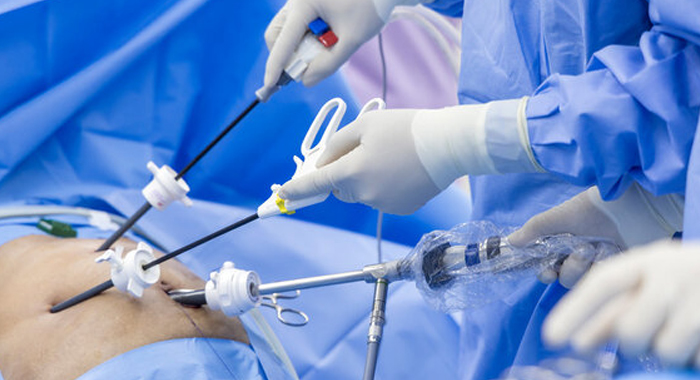
Laparoscopy is a modern, minimally invasive surgical technique that allows doctors to examine and operate on the organs inside the abdomen without making large incisions. Unlike traditional open surgery, laparoscopy uses small cuts, typically ranging from 0.5 to 1.5 centimeters, through which a laparoscope—a thin, tube-like instrument with a camera and light—is inserted. This camera provides a magnified view of the internal organs on a monitor, enabling surgeons to perform precise procedures with minimal disruption to surrounding tissues.
One of the primary advantages of laparoscopy is its minimally invasive nature, which leads to less postoperative pain, reduced risk of infection, and shorter hospital stays compared to conventional surgery. Patients often experience faster recovery times and can return to their daily activities more quickly. Laparoscopy is commonly used for procedures related to the gallbladder, appendix, liver, pancreas, and reproductive organs. It is also widely employed in gynecology for treating conditions such as endometriosis, ovarian cysts, and ectopic pregnancies.
The procedure generally requires general anesthesia, ensuring that the patient remains unconscious and pain-free during surgery. Carbon dioxide gas is often introduced into the abdominal cavity to create space, allowing the surgeon to work efficiently and view organs clearly. While laparoscopy is considered safe, like any surgical procedure, it carries some risks, including bleeding, infection, or injury to internal organs.
Technological advancements have further enhanced the capabilities of laparoscopy, including the development of robotic-assisted laparoscopy, which offers greater precision and flexibility. Overall, laparoscopy has revolutionized modern surgery by combining safety, effectiveness, and quicker recovery, making it a preferred choice for both surgeons and patients seeking minimally invasive treatment options.