



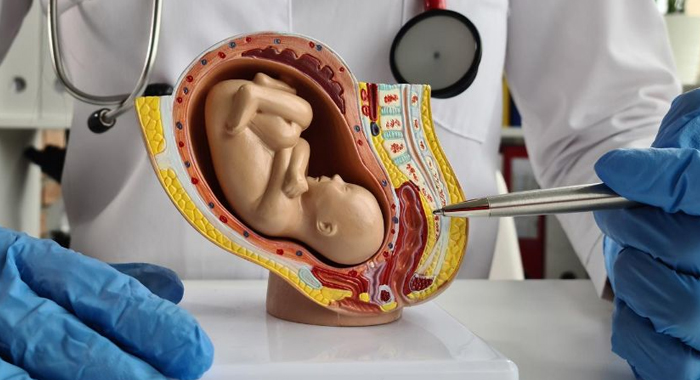
Normal Delivery
Normal delivery, also known as vaginal delivery, is the natural process of giving birth through the birth canal. It is the most common and traditional method of childbirth and is often preferred for its shorter recovery time compared to cesarean sections. In normal delivery, the baby is delivered without surgical intervention, relying on the natural contractions of the uterus and the mother’s efforts during labor.
The process of normal delivery begins with the onset of labor, characterized by regular uterine contractions and the gradual opening of the cervix. Labor is generally divided into three stages: the first stage involves the dilation of the cervix, the second stage is the actual delivery of the baby, and the third stage is the expulsion of the placenta. Each stage is crucial and requires careful monitoring to ensure the safety of both the mother and the baby.
Normal delivery offers numerous advantages. It promotes faster recovery for the mother, allowing her to resume normal activities sooner. It also helps in the early initiation of breastfeeding, which is beneficial for the baby’s immunity and nutrition. Additionally, babies born through vaginal delivery are more likely to experience less respiratory stress, as the process helps in clearing the lungs.
However, normal delivery may come with certain challenges, such as labor pain, perineal tearing, or prolonged labor. Proper prenatal care, regular check-ups, and guidance from healthcare professionals can significantly reduce these risks. Support from family, childbirth education, and pain management techniques like breathing exercises and epidural anesthesia can also aid in a smoother delivery.
In conclusion, normal delivery is a natural and safe method of childbirth for most women. With adequate preparation, medical supervision, and emotional support, it can be a fulfilling and empowering experience, fostering a strong bond between the mother and her newborn.