



IUI
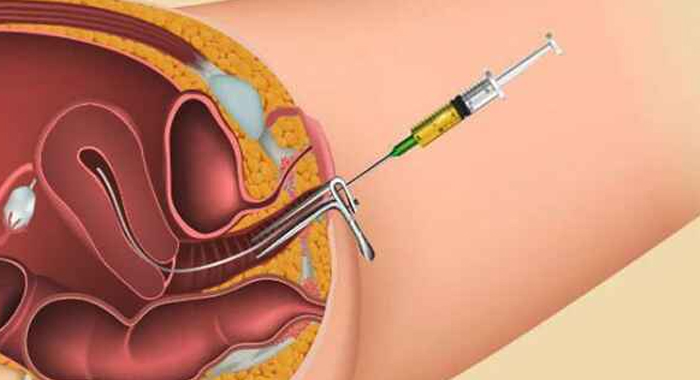
Intrauterine Insemination (IUI) is a widely used fertility treatment designed to increase the chances of conception for couples facing difficulties in conceiving naturally. It is a relatively simple and minimally invasive procedure in which prepared sperm is directly placed into a woman’s uterus during her ovulation period. By doing so, IUI shortens the distance sperm need to travel to reach the egg, increasing the probability of fertilization.
The procedure begins with a thorough evaluation of both partners. For women, this typically involves assessing ovarian function, monitoring the menstrual cycle, and sometimes using fertility medications to stimulate ovulation. For men, a semen analysis is conducted to determine sperm count, motility, and morphology. The collected sperm is then “washed” or prepared in the laboratory to separate highly motile and healthy sperm from the seminal fluid and other cells.
During the IUI procedure, the prepared sperm sample is inserted into the uterus using a thin, flexible catheter. Timing is crucial, and the procedure is usually performed 24 to 36 hours after ovulation is triggered, either naturally or through medication. Since IUI is less invasive compared to techniques like IVF, it is often the first-line fertility treatment for conditions such as mild male factor infertility, unexplained infertility, or issues with cervical mucus.
Although IUI is generally safe, it carries some risks, including mild cramping, spotting, and, in cases where fertility drugs are used, a higher chance of multiple pregnancies. Success rates vary depending on factors such as age, fertility diagnosis, and overall reproductive health, typically ranging from 10% to 20% per cycle.
Overall, IUI is a cost-effective and straightforward option for many couples struggling with infertility. With proper evaluation, careful timing, and medical supervision, it offers hope for achieving pregnancy with minimal discomfort and intervention.