



Cord Blood Banking
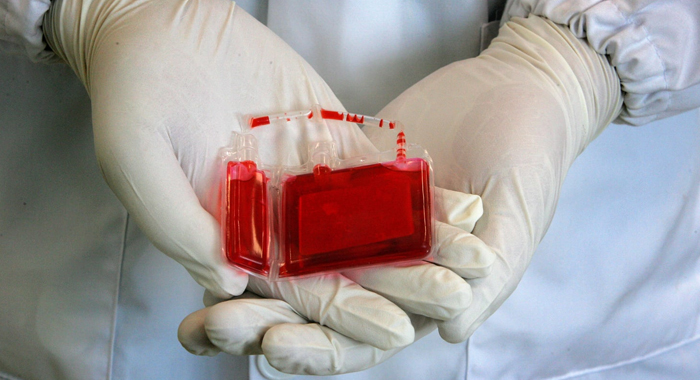
Cord blood banking is the process of collecting and storing the blood remaining in a newborn’s umbilical cord and placenta after birth. This blood is rich in hematopoietic stem cells, which have the unique ability to develop into various types of blood cells, including red blood cells, white blood cells, and platelets. These stem cells are increasingly used in the treatment of serious medical conditions such as leukemia, lymphoma, anemia, and certain immune system disorders.
There are two primary types of cord blood banking: public and private. In public banking, the cord blood is donated and stored for use by any patient in need, contributing to a shared medical resource. In private banking, the cord blood is stored exclusively for the family’s future use, typically involving a fee. Parents may choose private banking if they have a family history of certain genetic disorders or simply wish to ensure a personal reserve of stem cells for their child.
The process of collecting cord blood is safe, painless, and does not interfere with the delivery. After birth, the umbilical cord is clamped and cut, and the remaining blood is drawn using a sterile procedure. Once collected, the blood is sent to a laboratory for processing and cryopreservation, ensuring the long-term viability of the stem cells.
Cord blood banking offers immense potential for medical research and therapy. Advances in regenerative medicine have expanded the possibilities for using these stem cells to treat a wide range of diseases and even in experimental therapies for conditions like cerebral palsy and diabetes. While the likelihood of needing one’s own stored cord blood is relatively low, having access to this resource can provide families with peace of mind and an important medical safeguard for the future.
In summary, cord blood banking represents a remarkable intersection of science and healthcare, offering a safe, non-invasive method to preserve stem cells that could be life-saving for children and families.